Bee News
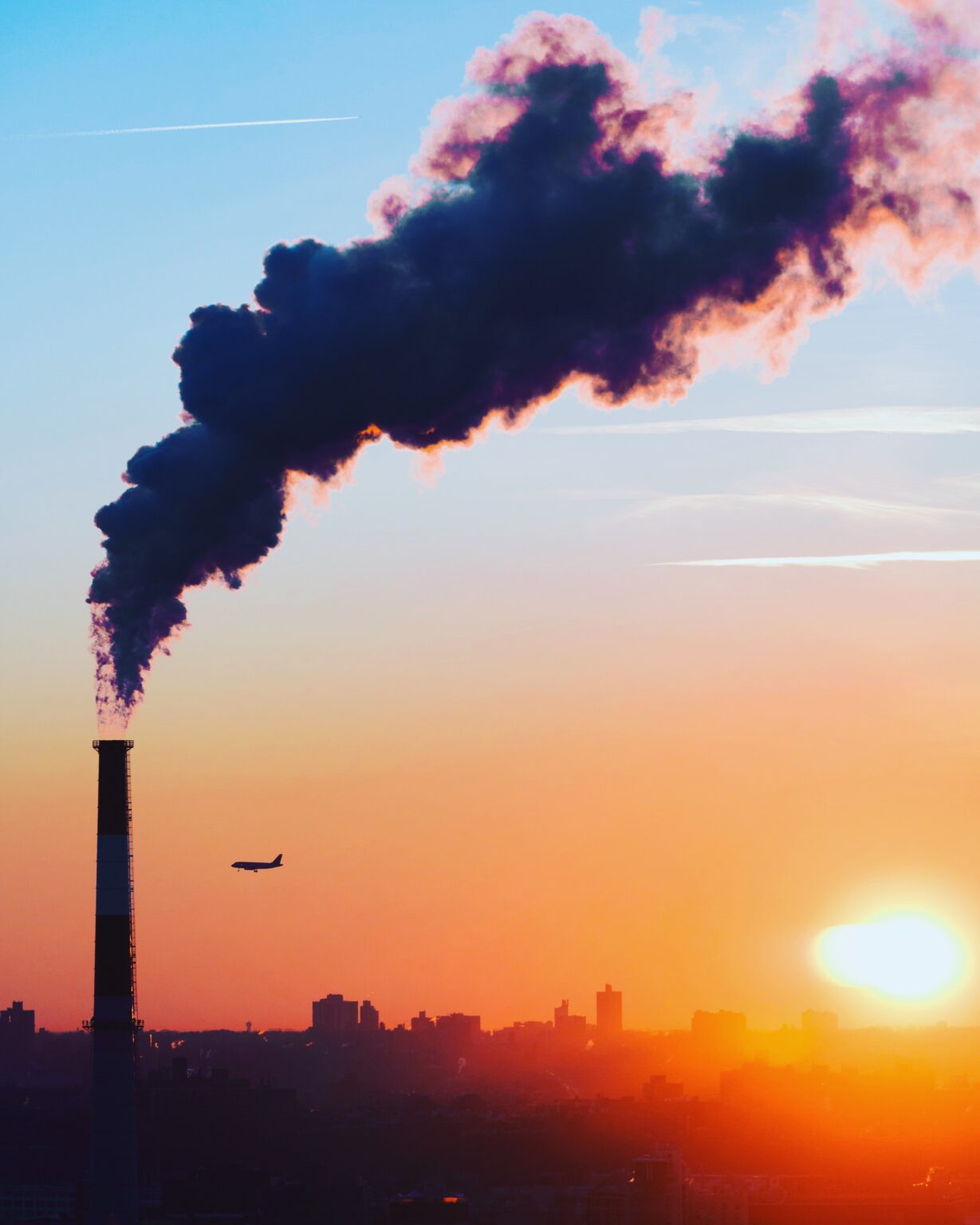
Air Pollution significantly reduces pollination by confusing butterflies and bees!!
A recent article finds that bees and butterflies are confused and are unable to find flowers as the scent is being masked by pollution and other scents. To read more on this article visit ScienceDaily’s site where this article was retrieved from.
All credit goes to the creator of the article. Links and references are below.
Date article was published: January 19th, 2022. Source: University of Reading. APA Citation: University of Reading. (2022, January 19). Air pollution significantly reduces pollination by confusing butterflies and bees. ScienceDaily. Retrieved April 28, 2022 from www.sciencedaily.com/releases/2022/01/220119194035.htm
Planting for bees
Were you aware that here are over 20,000 species of bee in the world and just 7 species of honey bee?
So when people speak of planting for bees we do need to specify which type of bee as the vast majority of bee species, and so bee pollinators, in the UK are in fact solitary bees.
We also need to understand that honey bees are not dwindling in numbers – at least not in the UK or indeed in the world.
Whereas it is true that there is a shortage of forage for honey bees in our cities that is really because we actually have too many people jumping on a mythical bandwagon and taking up beekeeping in our cities where there is often not enough forage to support the large populations and, in London, for example, bees are in fact starving. But…this is in fact more to do with the misplaced enthusiasm to keep bees in order to save them.
My mantra these days is “We do not need more bees. We need more trees”
One tree, such as a lime tree, has the equivalent number of flowers to a wild meadow the size of – was it half a football pitch or a whole football pitch? Whichever it is, it is clear that trees are the best use of limited space for maximum benefit for bees and other pollinators.
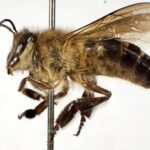
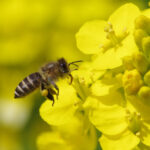
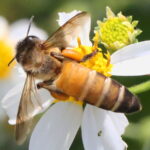
That’s enough of a few thoughts of my own. Here are websites with much more detail including practical actions we can all take to make a difference.
Related Articles and How to make a difference!
Wild flower patches do not actually help honey bees contrary to what many are led to believe when sold packets of seed. Yes, these wild flowers are good for other pollinators – many of which are solitary bees of which there are around 200 species in the UK. These are in fact the bees that are most at risk of extinction so plenty of wild flowers can indeed help these vulnerable pollinators.
Date article was published: January 5th, 2021. Source: HAL open source written by Simon Klein, Amélie Cabirol, Jean-Marc Devaud, Andrew Barron, MathieuLihoreau. Citation: Simon Klein, Amélie Cabirol, Jean-Marc Devaud, Andrew Barron, Mathieu Lihoreau. Why Bees Are So Vulnerable to Environmental Stressors. Trends in Ecology and Evolution, Elsevier, 2017, 32 (4),
pp.268-278. ff10.1016/j.tree.2016.12.009ff. ffhal-02105106f
Buglife gives Pollinator Guidance with Advice and Case Studies.
BBC Gardener’s world lists and describes some of the best plants for bees.
The National Open Garden Scheme also lists some bee-friendly plants.
Friends of the Earth site has a rich and beautiful selection of photos of bee friendly plants for every season.